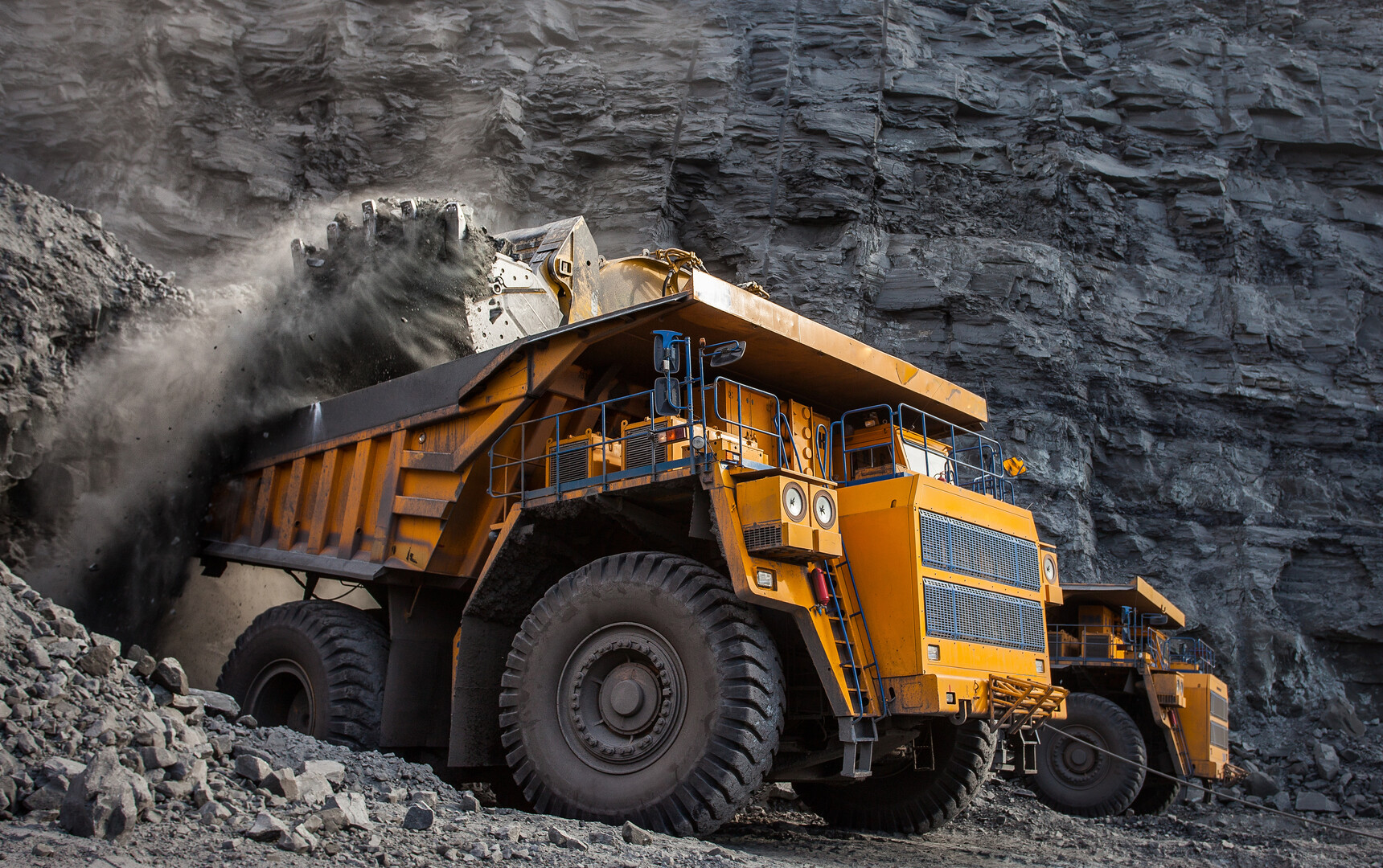
The Next Global Mining Boom Is Already Emerging
iStock
Demand for lithium-ion batteries is accelerating rapidly, driving massive growth across lithium, cobalt, nickel, graphite, and manganese markets. At Lookatmedia™, we help mining and energy brands communicate this transformation.
Over the next decade, McKinsey forecasts predict growth in demand for Li-ion batteries to increase at batteries at a compound rate of 30 % per year. Lithium demand alone is expected to grow from 500,000 metric tons in 2021 to four million metric tons in 2030. Add similar cobalt, nickel, graphite, and manganese markets, and it becomes clear what may drive the next big mining boom.
A once-in-a-hundred-year opportunity
The mining sector's growth follows closely with technological revolutions, from the industrial revolution of the early 19th century to the rise of personal computing, the smartphone and now electric vehicles, opportunities in mining follow innovation. The next big mining boom will be different. This time the public will be less willing to fast-track projects to keep up with demand. This time accountability and transparency will be at the top of the priority list for any policy maker and community group. Rather than see this as an additional challenge, it may help to see it as a once-in-a-hundred-year opportunity.

Mining’s Once-in-a-Century Opportunity
iStock
The next mining boom will be driven not just by demand, but by accountability, transparency, and public trust. At Lookatmedia™, we help mining brands communicate responsibly through credible, media-ready storytelling.
Mining’s Once-in-a-Century Opportunity
iStock
The next mining boom will be driven not just by demand, but by accountability, transparency, and public trust. At Lookatmedia™, we help mining brands communicate responsibly through credible, media-ready storytelling.
A bumpy start
There's already controversy around how mining many of these minerals at the heart of climate action are mined. For those players in the mining space who want to do the right thing while building a reputation that allows them to explore more opportunities, communication through the media is crucial. The public sees mining companies' activities in this space as repeating the past problems. Is it just a case of communication failure, or is there a more significant problem at play?
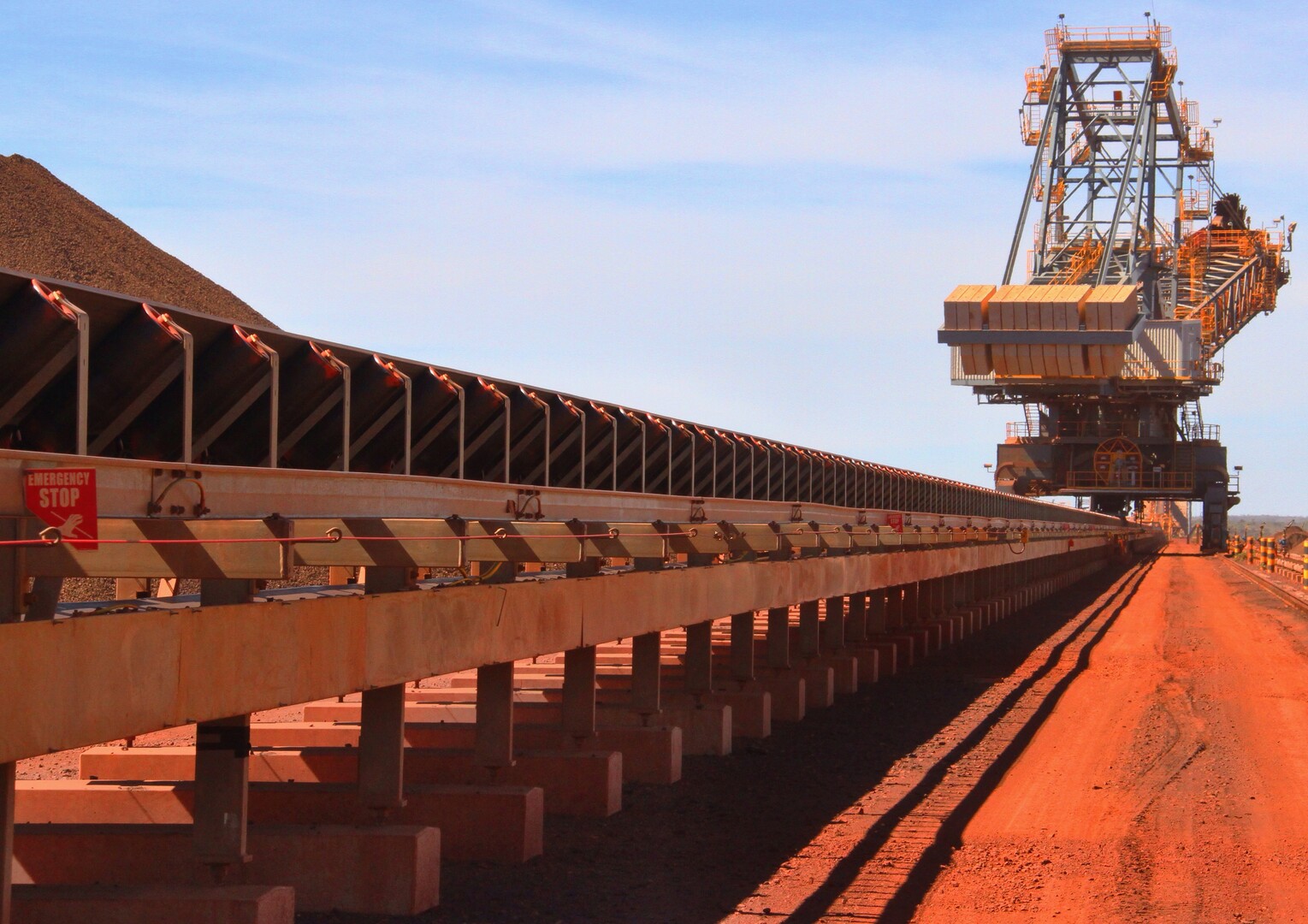
Mining’s Reputation Challenge Starts Now
iStock
Controversy around critical mineral extraction is already shaping public perception. At Lookatmedia™, we help mining organisations communicate transparently through trusted, media-ready storytelling that builds credibility.
Mining’s Reputation Challenge Starts Now
iStock
Controversy around critical mineral extraction is already shaping public perception. At Lookatmedia™, we help mining organisations communicate transparently through trusted, media-ready storytelling that builds credibility.
Social licensing
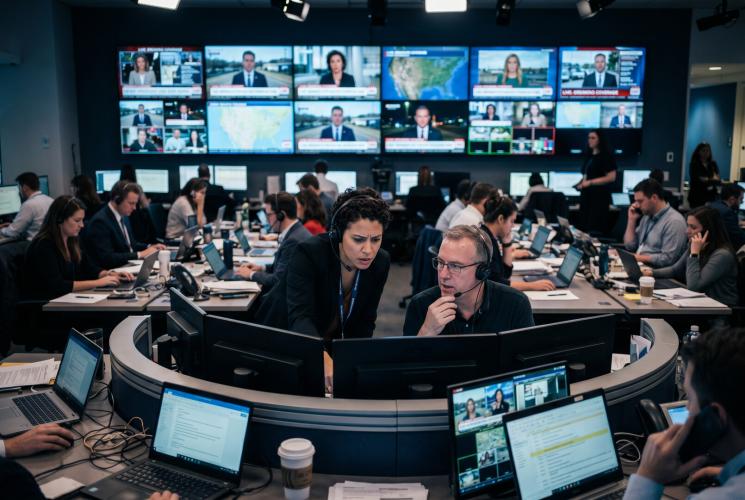
Too many bad players have left a bitter taste in the mouths of journalists. Their natural scepticism makes them mistrust the whole sector. Whereas business news may give you space to tell your story, the broader news environment may not. You're also competing with questionable information sources amplified through a possibly even loader megaphone, social media. For your story to be told the way you'd like, you need to change how you engage with the media. That includes increasing the frequency of engagement with individual journalists, creating stories that cover more beats (e.g. environment, human interest, community, arts and culture, sports, business) and appealing to more diverse media sources (e.g. traditional news outlets, media aggregators, and bloggers).

Social Licence Now Depends on Media Trust
Riccardo Mayer
Mining organisations can no longer rely on business media alone. At Lookatmedia™, we help brands build social licence through credible, multi-beat storytelling that engages journalists, communities, and diverse media channels.
Social Licence Now Depends on Media Trust
Riccardo Mayer
Mining organisations can no longer rely on business media alone. At Lookatmedia™, we help brands build social licence through credible, multi-beat storytelling that engages journalists, communities, and diverse media channels.
Let’s talk about environmental responsibility
Environmental responsibility is the most critical social licensing barrier to approving mining projects in all parts of the world. The public, media and policymakers in every country worldwide have become increasingly intolerant of bad actors in the mining space. You need to explain your decisions, the potential impacts, and how you are responding or offsetting those impacts. You need to discuss social and community engagement, land, water and energy use. You must also maintain discussions on how you are responding to cultural concerns and land remediation at the end of the mining cycle. Your company should start these conversations with the media and the public before seeking approvals from policymakers and communities.
Environmental Trust Is Mining’s Biggest Challenge
Lookatmedia™
Environmental responsibility now sits at the centre of mining project approvals worldwide. At Lookatmedia™, we help organisations communicate transparently about impacts, remediation, and community engagement through trusted, media-ready storytelling.
Environmental Trust Is Mining’s Biggest Challenge
Lookatmedia™
Environmental responsibility now sits at the centre of mining project approvals worldwide. At Lookatmedia™, we help organisations communicate transparently about impacts, remediation, and community engagement through trusted, media-ready storytelling.
The next big PR boom
Just as the mining sector has needed to evolve, so has the PR space. Press Releases alone are not enough to get journalists' attention. You need a story resource specifically developed to meet the needs of a 24/news cycle, a virtual PR department that never sleeps. It would help if you had a Lookatmedia™ online newsroom. Lookatmedia™ is a new generation of online newsroom solutions designed to increase the discoverability of your stories by the media. It has instant messaging for journalists and frictionless, secure assets to libraries of pre-approved images and videos. It how efficiently uses the non-renewable resource of time more effectively, making sure your story is heard over the noise of other players in your sector. It is the online resource you need to ramp up media, community, and policy maker engagement without increasing the size of your PR team.